
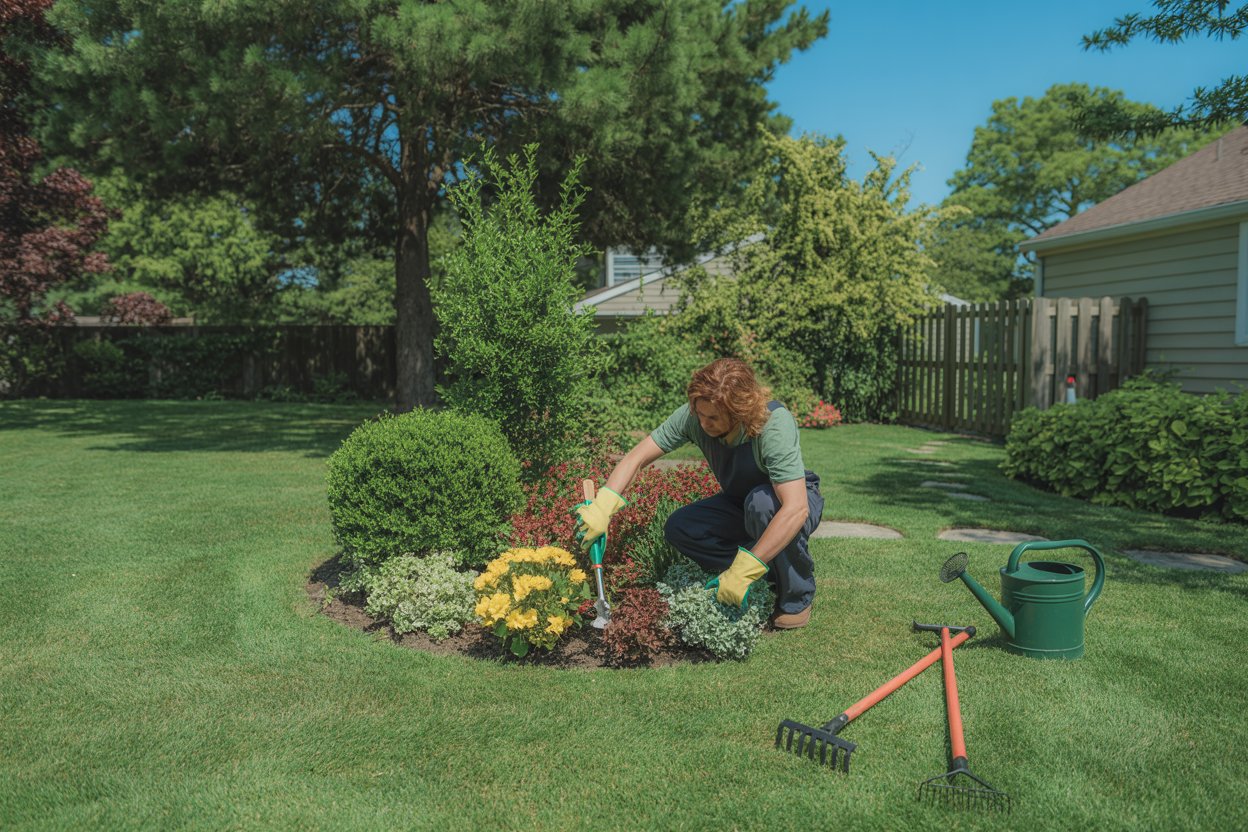
Seasonal Garden Maintenance Checklist for Vancouver Homes
Living in Vancouver means enjoying a mild, temperate climate that’s perfect for gardening—but it also comes with its challenges. From the rainy winters to the sunny summers, our coastal weather can make or break a garden if you’re not prepared.
As someone who’s spent years helping homeowners create thriving outdoor spaces, I’ve seen how a simple seasonal maintenance routine can transform a yard from drab to dazzling. Whether you’re a new homeowner in Kitsilano or tending a backyard in East Van, this checklist will guide you through the essentials.
Drawing from my experience at FLO Workshop, where we specialize in designing and maintaining beautiful landscapes, I’ll break it down season by season in straightforward steps.
Vancouver’s gardens benefit from our unique Pacific Northwest environment: moderate temperatures, plenty of rainfall, and occasional bursts of sunshine. But with that comes issues like heavy rains causing soil erosion, mild winters encouraging weed growth, and summer dry spells stressing plants.
A well-planned maintenance schedule not only keeps your garden healthy but also saves you time and money in the long run. Think of it as preventive care for your outdoor oasis.
In this article, we’ll cover practical tips tailored to Vancouver homes, ensuring your space stays vibrant year-round.
Spring: Awakening Your Garden After Winter
Spring in Vancouver typically arrives in March or April, with temperatures warming up and rains easing slightly. This is the time when your garden shakes off the winter chill and bursts into life. But without proper prep, pests and overgrowth can take hold. Start early to set the stage for a lush season.
First, inspect your garden thoroughly. Walk around and check for winter damage—broken branches, soggy soil, or signs of rot on fences and structures. Clear away any debris like fallen leaves or twigs that accumulated over winter. This prevents mold and pests from thriving in the damp conditions we often see here.
Next, focus on soil health. Vancouver’s clay-heavy soils can compact over winter, so aerate your lawn by poking holes with a garden fork or renting an aerator. Add compost or organic matter to improve drainage and nutrients. If you’re planting new beds, test your soil pH; aim for 6.0 to 7.0 for most plants. I recommend using a simple home kit or sending a sample to a local lab.
Pruning is key in spring. Trim back dead or damaged branches on shrubs and trees before new growth starts. For roses, which are popular in Vancouver gardens, cut back to about 12-18 inches to encourage blooms. Be gentle with fruit trees—over-pruning can reduce yields. And don’t forget to weed early; pull them out by the roots while the soil is soft from rain.
Planting time! Spring is ideal for sowing cool-season veggies like lettuce, peas, and radishes in your veggie patch. For flowers, add natives like lupines or ferns that thrive in our moist climate. Mulch around new plants with bark or straw to retain moisture and suppress weeds. If you’re unsure about plant choices, consider consulting a professional—like the team at FLO Workshop, who can help design a low-maintenance garden suited to Vancouver’s weather.
Water wisely as things dry out. With our variable rains, check soil moisture weekly and water deeply but infrequently to promote strong roots. Finally, fertilize lightly with a balanced organic product to give plants a boost without overwhelming them.
By following this spring checklist, you’ll avoid common pitfalls like waterlogged roots and ensure a strong start. Expect about 4-6 hours of work spread over a weekend, depending on your garden size.
Summer: Keeping Things Thriving in the Heat
Summer in Vancouver, from June to August, brings longer days and warmer temps—often in the 20-25°C range—with occasional heat waves. This is peak growing time, but drought and pests can sneak up if you’re not vigilant. The goal? Maintain moisture, control growth, and enjoy the fruits of your labor.
Watering tops the list. Our summers can turn dry, especially in July, so water early in the morning to minimize evaporation. Use soaker hoses or drip systems for efficiency, aiming for 1-2 inches per week. Container plants dry out faster, so check them daily. Mulching helps here too, locking in moisture and keeping soil cool.
Mowing and lawn care: Keep grass at 2-3 inches high to shade roots and reduce weeds. Mow regularly but never remove more than a third of the blade at once. If your lawn looks patchy, overseed with drought-tolerant grasses like fescue, which do well in Vancouver.
Pest patrol is crucial. Watch for aphids on roses or slugs munching hostas—common in our humid summers. Use natural remedies like neem oil or introduce beneficial insects. For bigger issues, like fungal diseases from muggy weather, improve air circulation by thinning crowded plants.
Deadheading and harvesting: Pinch off spent flowers on perennials to encourage more blooms. Harvest veggies and herbs regularly to keep plants producing. In my work with FLO Workshop clients, I’ve found that incorporating edible landscapes—think berry bushes along pathways—adds both beauty and bounty to Vancouver homes.
Fertilize mid-summer with a slow-release formula, but ease off by August to let plants harden for fall. Prune lightly if needed, focusing on shaping rather than heavy cuts.
Don’t neglect hardscapes. Clean patios and decks to remove algae buildup from spring rains, and check irrigation systems for leaks. If your garden feels overwhelming, that’s where experts like us at FLO Workshop come in—we offer maintenance services to keep things pristine without the hassle.
Summer maintenance might take 2-3 hours weekly, but it’s rewarding when you can relax in a thriving space.
Fall: Preparing for the Rainy Season
Fall hits Vancouver around September, with cooling temps and increasing rainfall. Leaves change color, and it’s time to tidy up while protecting against winter woes. This season is about cleanup and fortification.
Rake leaves promptly to prevent them from matting and smothering grass. Compost them or use as mulch—Vancouver’s mild falls make this easy. Clean gutters too, as clogged ones can lead to water damage on your home.
Planting bulbs for spring: Now’s the time for tulips, daffodils, and crocuses. Bury them 6-8 inches deep in well-drained soil. Add fall-blooming perennials like asters for color.
Prune and divide: Cut back perennials after they fade, but leave some seed heads for birds. Divide overcrowded plants like hostas to rejuvenate them. For trees, remove dead wood but avoid major pruning until dormant.
Soil prep: Apply a layer of compost to beds and lawns. This enriches the earth before winter rains wash nutrients away. If erosion is an issue on slopes—a common Vancouver problem—plant ground covers like vinca.
Protect tender plants: Mulch around roots to insulate against frost. For potted plants, move them to sheltered spots or indoors if needed. Check for pests one last time.
Lawn care: Aerate again if compacted, and apply a fall fertilizer high in potassium for root strength. Overseed bare spots.
As the rains pick up, ensure drainage is good to avoid flooding. In my experience founding FLO Workshop, thoughtful fall prep makes all the difference in resilient Vancouver gardens.
Fall tasks can be done over a few weekends, totaling 6-8 hours.
Winter: Rest and Protection in the Wet Months
Winter in Vancouver, from December to February, is mild but wet—think 5-10°C days with endless drizzle. Gardens rest, but neglect can lead to issues like root rot. Focus on protection and minimal intervention.
Inspect regularly: Walk your garden monthly to spot storm damage or pooling water. Fix fences or supports as needed.
Pruning dormant plants: This is prime time for heavy pruning on deciduous trees and shrubs. Remove crossing branches to improve shape and health. For evergreens, wait until spring.
Weed control: Mild winters mean weeds grow slowly—pull them when soil is soft.
Mulch and cover: Add extra mulch to protect roots from rare freezes. Use burlap wraps on young trees if winds are strong.
Plan ahead: Use downtime to sketch next year’s garden. Research native plants that handle our wet winters, like salal or Oregon grape.
Tool maintenance: Clean and sharpen tools, store them dry to prevent rust.
If winter blues hit your garden hard, professional help can revive it come spring. At FLO Workshop, we provide year-round maintenance plans tailored to Vancouver’s climate, ensuring your space stays functional and beautiful.
Winter requires just 1-2 hours monthly, mostly monitoring.
Wrapping It Up: Year-Round Tips for Success
Following this seasonal checklist will keep your Vancouver garden healthy, reducing pests, diseases, and costly fixes. Remember, consistency is key—mark tasks on your calendar. Incorporate sustainable practices like rainwater collection or native planting to align with our eco-conscious city.
For tools, invest in quality basics: gloves, pruners, a good rake, and perhaps a soil tester. Safety first—wear sturdy shoes and protect against rain.
If DIY feels daunting, partnering with local experts can elevate your results. FLO Workshop, my landscape design studio, has helped countless Vancouver homeowners create low-maintenance, stunning spaces that enhance daily life.
With this guide, you’re equipped to nurture a garden that thrives through Vancouver’s seasons. Happy gardening!

 by
by